
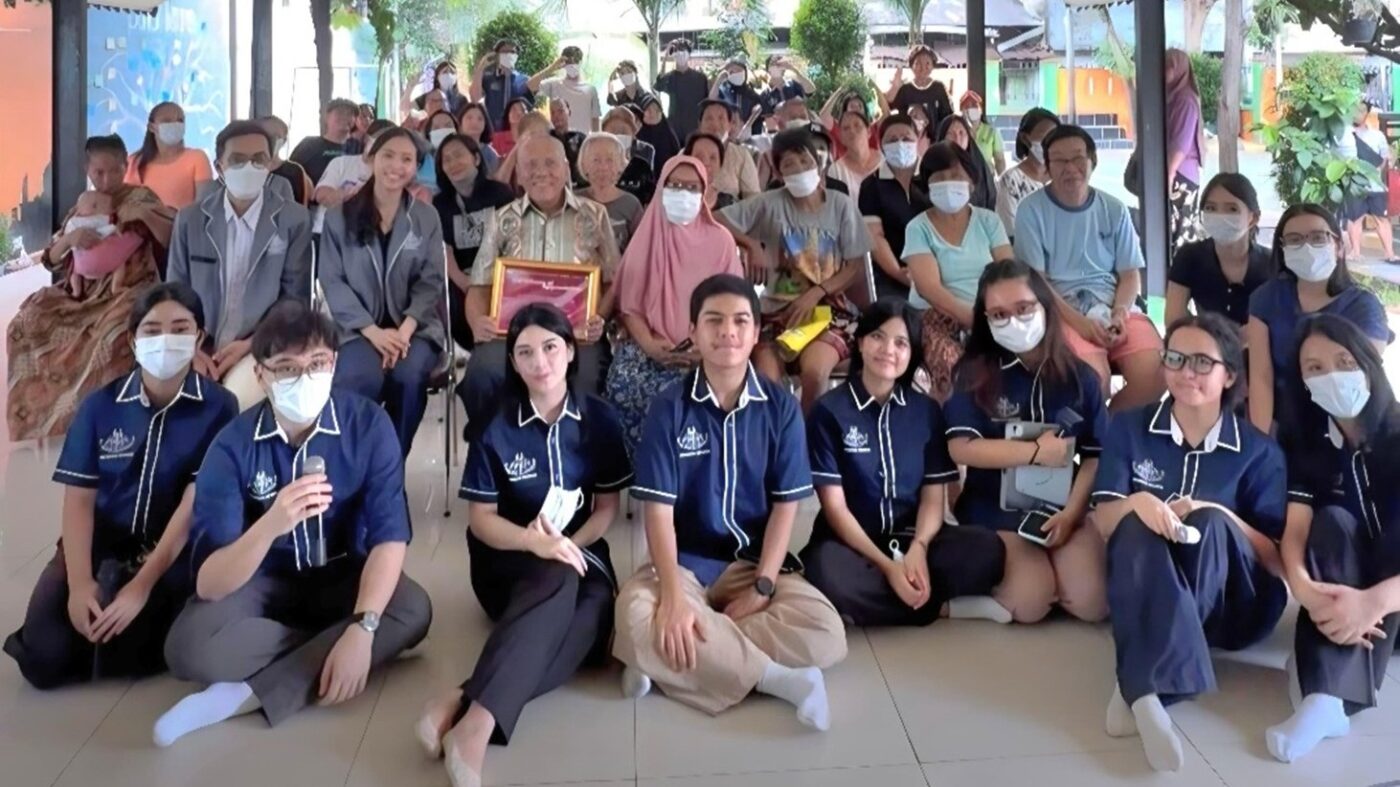
Tuberculosis (TB) remains one of the most pressing public health challenges in Indonesia, with thousands of new cases recorded each year — including more than 21,000 cases in Jakarta alone between January and May 2025. Against this alarming backdrop, a TB education initiative organized by medical students from the Asian Medical Students’ Association (AMSA) of the Faculty of Medicine, Universitas Indonesia, held at the RPTRA Pasar Senen, Central Jakarta, on April 11, 2026, stands as a timely and meaningful response to this ongoing crisis. Featuring Prof. Tjandra Yoga Aditama as the keynote speaker, the event reached community members across all age groups from children to an 88-year-old elder delivering essential knowledge on TB transmission, diagnosis, treatment protocols, and the critical dangers of drug resistance resulting from incomplete adherence to Anti-Tuberculosis Drug (OAT) regimens. The remarkable enthusiasm displayed by participants, evident in the lively question-and-answer sessions covering topics from handwashing practices to vaccine efficacy and dietary guidance, powerfully demonstrates that community-based health education is not merely complementary to clinical intervention it is indispensable to breaking the chain of TB transmission at its very roots.
This TB education initiative aligns directly and substantively with SDG 3: Good Health and Well-Being. Empowering communities with accurate knowledge about TB prevention, early detection, and treatment compliance represents a vital upstream intervention, recognizing that the success of TB control depends not solely on healthcare access but equally on informed and active community participation. Beyond SDG 3, this initiative is also strongly connected to SDG 4: Quality Education, as reflected in its inclusive, non-formal educational approach that reached diverse age groups within a public space, making health literacy accessible regardless of formal educational background. Furthermore, the collaborative model between a higher education institution, a domain expert, and the local community exemplifies the spirit of SDG 17: Partnerships for the Goals demonstrating that sustainable health outcomes are best achieved through cross-sector cooperation and shared commitment to the well-being of all.
